Technical Leadership

Delivery Leads

Multidisciplinary team responsible for day-to-day implementation, technical excellence, and delivery of CEpiNet's analytical products and capacity building activities.

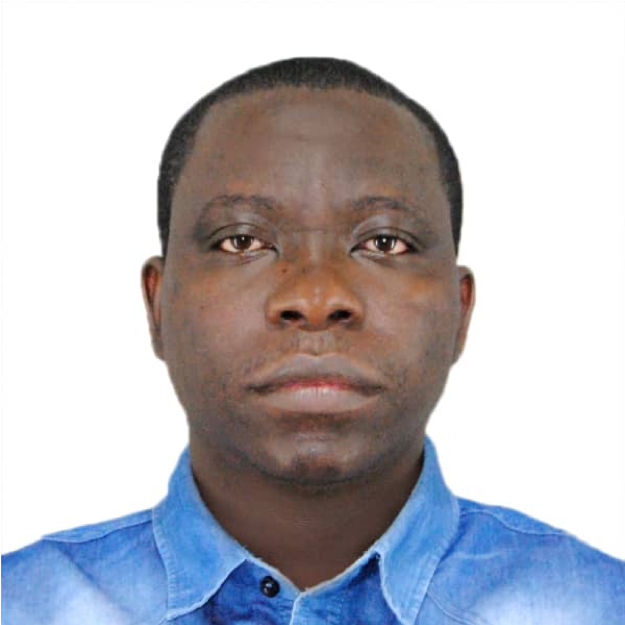
David Niyukuri

David Niyukuri

Lead, Epidemic Modelling

Université du Burundi / Niyukuri Lab

David leads CEpiNet's applied epidemic modelling work, including the design and implementation of mathematical and statistical models for nowcasting, short-term forecasting, and intervention scenario analysis. He oversees modelling internships and practical training at Niyukuri Lab, ensuring reproducible workflows, transparent assumptions, and decision-oriented outputs.

Focus Areas:
  • Transmission dynamics - Modelling disease spread and intervention impacts
  • Forecasting and scenario modelling - Short-term predictions and what-if analyses
  • Uncertainty quantification - Assessing and communicating model uncertainties
  • Reproducible pipelines - Developing transparent, reusable analytical workflows
  • Mentoring and practicum-based training - Building local modelling capacity
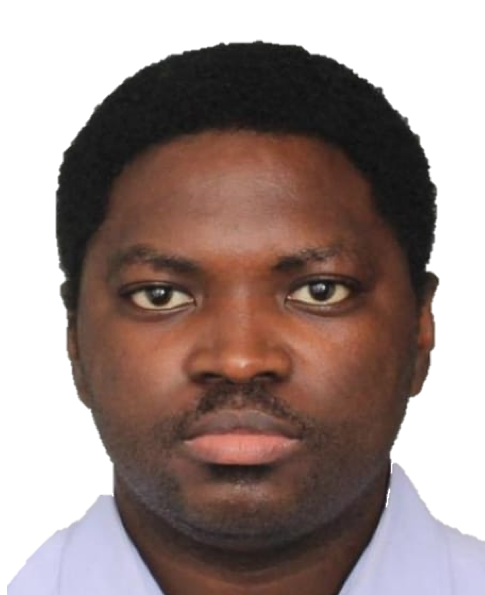
Dev Ebango

Dev Ebango

Lead, Geospatial Analytics

INOHA / UNIKIN

Dev leads CEpiNet's geospatial intelligence, translating surveillance and contextual data into operational risk maps and decision dashboards. He supports hotspot identification, micro-targeting of interventions, accessibility analysis, and spatial prioritization to inform resource allocation during outbreaks.

Focus Areas:
  • Geocoding and spatial harmonization - Standardizing location data across sources
  • Risk mapping - Visualizing disease risk patterns and hotspots
  • Accessibility and service coverage - Analysing healthcare access and gaps
  • Dashboards and atlases - Developing interactive decision support tools
  • Spatial decision support - Informing targeted intervention strategies
Placide Mbala

Placide Mbala

Lead, Epidemiological and Genomic Data

INRB

Placide leads CEpiNet's epidemiological and genomic data integration. He supports the governance and quality of surveillance and laboratory datasets and, where applicable, the integration of genomic information and metadata to strengthen outbreak interpretation and response. He also contributes to translating analytical results into actionable public health insights.

Focus Areas:
  • Data governance and quality - Ensuring data integrity and ethical use
  • Surveillance and line-list analytics - Analyzing case-based data
  • Laboratory and metadata integration - Linking clinical and lab data
  • Genomic epidemiology for outbreak support - Tracking pathogen evolution
  • Interpretation for decision-making - Translating data into actionable insights
Prof. Tania Bishola

Prof. Tania Bishola

Antimicrobial Resistance (AMR) Research Lead

UNIKIN

Tania is a researcher leading Antimicrobial Resistance (AMR) efforts in the Democratic Republic of Congo (DRC). She is passionate about understanding the molecular mechanisms behind antimicrobial resistance and developing strategies to curb its spread. Her work contributes to strengthening laboratory research, surveillance, and evidence-based interventions to combat AMR.
Focus Areas:
  • Molecular mechanisms of AMR – Investigating resistance pathways
  • Laboratory-based research – Advancing microbiological analysis
  • AMR surveillance support – Strengthening detection and monitoring systems
  • Strategies to curb resistance – Designing evidence-based interventions
  • Policy and research translation – Informing public health decision-making